How to use a type beat to build a hard-flow freestyle track from scratch
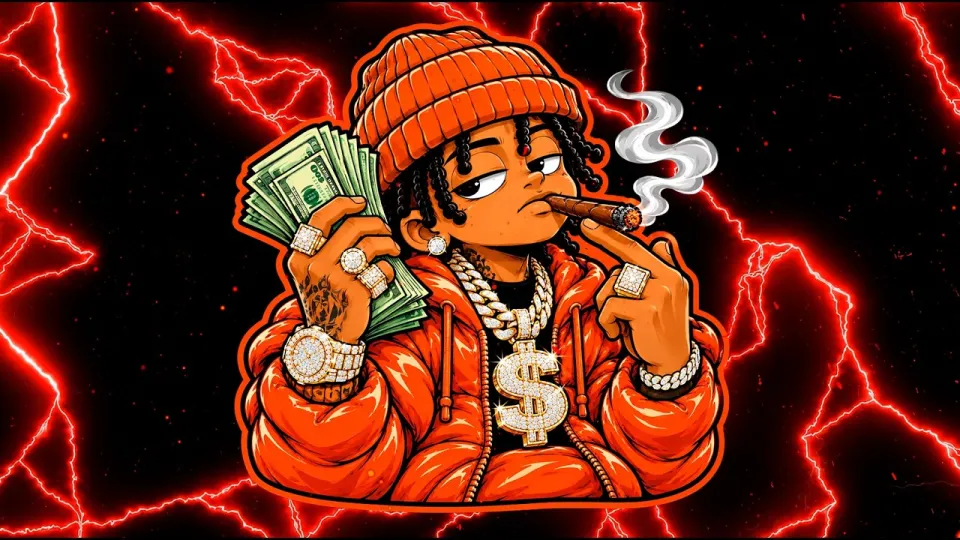
Video: FREESTYLE TYPE BEAT - ''I HAVE HARD FLOW'' | Trap Instrumental 2026 | Rap Type Beat
Need articles like this for your video? They help promote it on YouTube and Google — order them in the Telegram bot @sat_sit_bot. It writes articles around your video, embeds the video and publishes them on popular niche websites (no ads). Free trial — 50 articles.
· based on the channel Rey Pandora Beats
Key takeaways
- A type beat is a pre-made instrumental sold or shared for other artists to write and record over, usually tagged by producer and style.
- Rey Pandora Beats offers free non-monetized use with credit and requires a paid license for Spotify, Apple Music and monetized YouTube.
- Free use requires naming Rey Pandora Beats as producer in the project description or credits.
- Commercial licenses are sold through the producer's BeatStars store at reypandorabeatsoff.beatstars.com.
- A hard-flow freestyle beat typically runs 140–160 BPM in trap with sparse, punchy drums and room for dense 16th-note delivery.
A type beat is a ready-made instrumental that a producer publishes online so other artists can write, record and release their own songs over it, and using one well means checking the license terms first, mapping the beat's structure, then writing to its tempo and pockets. Rey Pandora Beats publishes trap instrumentals for exactly this purpose, and the licensing details, including free versus commercial use, are laid out on the producer's BeatStars store.
What a type beat actually is and why freestyle rappers use them
A type beat is an original instrumental built to sit in the style of a known sound or artist, sold or shared under a producer's name rather than as a finished song. The label "type beat" tells a rapper what to expect before pressing play: the drum palette, the tempo range, the mood and the space left for vocals.
For freestyle writers the format is practical for three reasons:
- Speed. The instrumental already exists, so the session starts with writing, not production.
- Predictability. A structure of intro, verse loops and hook sections means you can plan where 8 bars, 16 bars and a chorus land.
- Cost control. Free-use terms let you test a sound before spending money on a license.
Freestyle type beats are usually the least cluttered version of the format: fewer melodic layers, more room for a dense, punchy delivery. That is the space a hard-flow track needs.
Reading the license before you record a single bar
Every type beat comes with terms, and ignoring them is the most common mistake new artists make. Rey Pandora Beats splits usage into two clear paths.
Free use covers YouTube videos and personal projects that are not monetized. The condition is credit: the producer must be named as the producer in the project description or credits. No payment, no registration, but also no revenue.
Commercial use is required the moment money is involved, whether that is a monetized YouTube upload or distribution to Spotify, Apple Music, iTunes and similar platforms. That means buying a license through the producer's store rather than assuming the free download covers a release.
A simple checklist before you hit record:
- Decide now whether the track will ever be monetized or distributed.
- If yes, buy the commercial license first, not after the video goes live.
- If no, write the credit line into the description before publishing.
- Keep a copy of the license or the credit screenshot with the project files.
Setting up a hard-flow freestyle over a trap instrumental
The tempo decides the flow. Hard trap instrumentals in this lane generally sit in the 140–160 BPM range, which in trap is felt at half speed, so a 150 BPM beat reads as a 75 BPM pocket with room for fast 16th-note runs. Count the hi-hat rolls and you will hear where the subdivisions sit.
A workable session order:
- Loop the verse section and freestyle eight bars out loud without writing anything down, purely to find your natural entry point.
- Mark where the beat drops instruments out; those gaps are where a punchline or a pause hits hardest.
- Write 16 bars in four-bar blocks so you can swap or cut a block without rewriting the verse.
- Record a scratch take, then re-record with the ad-libs planned rather than improvised.
- Leave the hook section empty until the verse is locked, then write the hook to the same syllable count as your strongest bar.
Hard-flow writing rewards consonant-heavy, short words on the beat and longer phrases across the bar line. If a line fights the hi-hat pattern, shorten it rather than slowing your delivery.
Common questions from artists picking a beat
Visuals and presentation come up often: listeners notice when a channel changes its artwork or thumbnail style, and some prefer an older look. That reaction is worth noting as a creator, because the visual identity of a beat channel is part of the brand, but it has no effect on the audio file or the license you receive.
The bigger recurring questions are practical. Artists ask whether a free download can be used for a Spotify release (it cannot without a commercial license), whether credit alone is enough for a monetized video (it is not), and whether a beat labeled "hard" is only for aggressive writing. It is not: the same sparse trap instrumental works for melodic hooks, drill-adjacent cadences and Spanish-language flows, which is why the same beat channels attract comments in several languages.
One more point worth knowing: a type beat is not exclusive unless you buy exclusivity. Other artists may release songs over the same instrumental, so treat the beat as a shared canvas and let the writing and mix do the differentiating.
Where to get the instrumental and the license
The instrumental in this breakdown is published by Rey Pandora Beats, and the producer's storefront is the single place where licensing and purchasing happen.
- Beat store and licenses: Rey Pandora Beats on BeatStars
- The channel behind the beat: Rey Pandora Beats on YouTube
- Producer contact and socials are listed in the video description, including Instagram at @rey.pandora and the email papapandorabeat@gmail.com
If you plan to pitch the finished track to playlists or distributors, buy the license before you upload anywhere, and store the receipt alongside your project file.
Final thoughts on building a hard-flow track with a type beat
The workflow is straightforward once the order is right: confirm the license, map the beat's structure, find the pocket at the stated tempo, then write in four-bar blocks and record a scratch take before committing. Rey Pandora Beats, the channel behind this freestyle trap instrumental, provides both the free-use path with credit and the commercial route for monetized releases. Start with the BeatStars store to check the terms, then take the beat into a session and write the first eight bars out loud.
Source: FREESTYLE TYPE BEAT - ''I HAVE HARD FLOW'' | Trap Instrumental 2026 | Rap Type Beat · Markdown version
Questions & answers
Can I use a free type beat in a monetized YouTube video?
No. Free use typically covers only non-monetized videos and personal projects, and it requires crediting the producer in the description or credits. If the video earns money, you need a commercial license from the producer's store.
Do I need a license to release a type beat song on Spotify or Apple Music?
Yes. Distribution to Spotify, Apple Music, iTunes and similar platforms counts as commercial use, so a paid license is required before release. Keep the receipt with your project files in case a distributor or platform asks for proof.
What tempo should a hard-flow freestyle be written at?
Hard trap instrumentals usually sit between 140 and 160 BPM, felt at half speed. Loop the verse, freestyle eight bars to find your entry point, and shorten any line that fights the hi-hat pattern instead of slowing your delivery.
Is a type beat exclusive to me once I download it?
Not unless you buy exclusivity. Standard and free licenses let other artists release songs over the same instrumental, so your writing, performance and mix are what set the track apart.